
Clean your space. Clear your mind.
home is important
The Home-Mind
Connection.
Home is more than a place—it’s the backdrop to your life.
It influences how you rest, connect with your family, stay organized, and navigate life's busiest seasons.
While cleaning is not a treatment for mental illness, research consistently shows that our physical environment can influence stress levels, focus, emotional well-being, and family functioning. A home doesn't have to be perfect—but when it feels overwhelming, it can make everyday life feel heavier. We meet our clients where they are at and develop solutions tailored around their capabilities. Here are some examples how certain mental health disorders can impact families and their homes.
ADHD
Living with ADHD.
ADHD isn't laziness.
It's often a challenge with executive functioning.
That means everyday tasks like:
- starting laundry
- finishing dishes
- putting things away
- creating routines
- organizing paperwork
can require far more mental energy than most people realize.
Studies have found that families living with ADHD often report higher parental stress, increased anxiety and depression, and more difficulty maintaining household routines and family quality of life.
Our goal isn't perfection.
It's creating a home that's easier to live in.

ADHD
Living with ADHD.
ADHD isn't laziness.
It's often a challenge with executive functioning.
That means everyday tasks like:
- starting laundry
- finishing dishes
- putting things away
- creating routines
- organizing paperwork
can require far more mental energy than most people realize.
Studies have found that families living with ADHD often report higher parental stress, increased anxiety and depression, and more difficulty maintaining household routines and family quality of life.
Our goal isn't perfection.
It's creating a home that's easier to live in.

Anxiety
Anxiety changes how we experience our homes.
When anxiety is high, even small tasks can feel enormous.
The dishes become twenty dishes.
A load of laundry becomes six loads.
Mail becomes another thing waiting to be handled.
And the worst of it is the analysis paralysis that you experience when you can’t decide where to begin.
A clean, organized environment doesn't remove anxiety—but it can remove dozens of unnecessary decisions from an already overwhelmed mind.
Depression
Depression steals energy.
One of the most common symptoms of depression is reduced motivation and energy.
Cleaning often becomes one of the first things to fall behind—not because someone doesn't care, but because even simple tasks can feel impossible. Mental health professionals describe how clutter and depression can reinforce one another, creating a cycle that's difficult to break.
That's why we never judge.
Sometimes a fresh start is enough to make the next step feel possible.

Depression
Depression steals energy.
One of the most common symptoms of depression is reduced motivation and energy.
Cleaning often becomes one of the first things to fall behind—not because someone doesn't care, but because even simple tasks can feel impossible. Mental health professionals describe how clutter and depression can reinforce one another, creating a cycle that's difficult to break.
That's why we never judge.
Sometimes a fresh start is enough to make the next step feel possible.

obsessive-compulsive disorder
Understanding OCD.
Obsessive-Compulsive Disorder is frequently misunderstood.
It is not simply liking things clean or organized. For many people, OCD involves intrusive thoughts and compulsive behaviors that create significant distress.
We recognize that every client has different comfort levels, routines, and preferences, and we work with those needs respectfully and without assumptions.
hoarding disorder
Compassion first
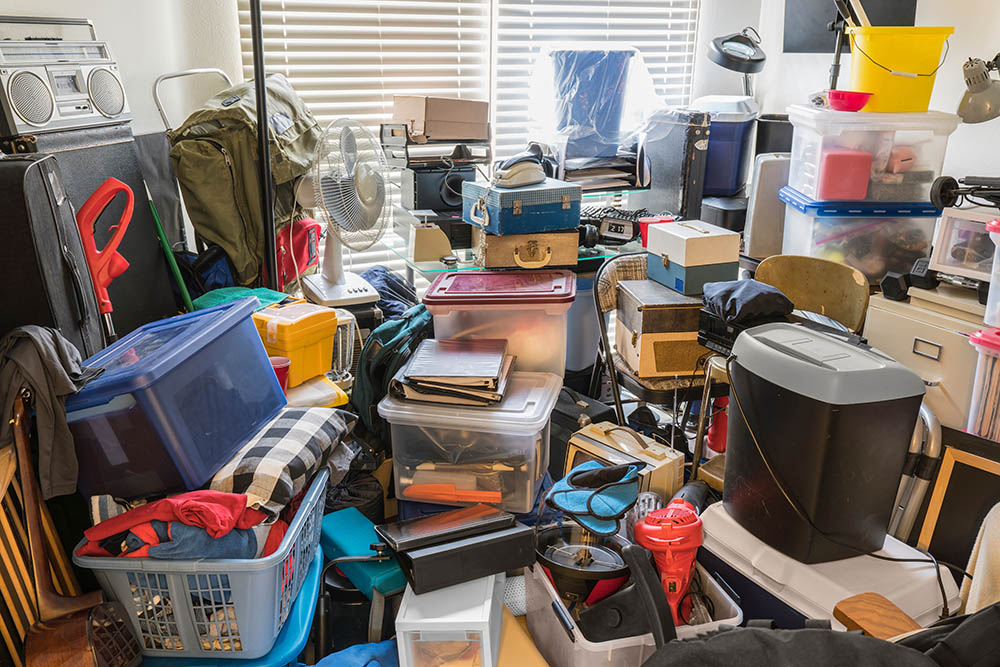
Hoarding disorders are recognized as a mental health condition.
It isn't laziness.
It isn't stubbornness.
It isn't simply "having too much stuff."
Research has found that severe hoarding can affect relationships, increase isolation, and contribute to anxiety and depression for both the individual and family members.
We approach every project with empathy, patience, confidentiality, and respect.
hoarding disorder
Compassion first
Hoarding disorders are recognized as a mental health condition.
It isn't laziness.
It isn't stubbornness.
It isn't simply "having too much stuff."
Research has found that severe hoarding can affect relationships, increase isolation, and contribute to anxiety and depression for both the individual and family members.
We approach every project with empathy, patience, confidentiality, and respect.

addiction & recovery
Recovery deserves a fresh start.
Substance use disorders often affect every part of daily life—including the home.
When someone begins recovery, rebuilding their environment can become one meaningful step in rebuilding routines and stability.
We are honored to help create spaces that support new beginnings without judgment.